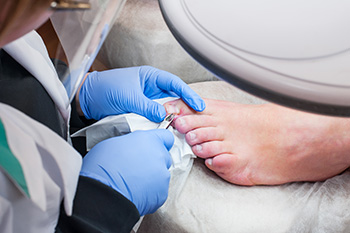
Chronic ingrown toenails can significantly affect mobility and overall foot comfort, especially when left untreated. This condition occurs when the nail edge presses into the surrounding skin, leading to inflammation and possible infection. While mild cases may respond to home care, persistent or severe cases often require surgery to correct. The Winograd procedure is a well-established method that targets the root cause by removing part of the nail. This prevents regrowth in the affected area, offering a reliable long-term solution.
Common symptoms that lead patients to seek this type of foot surgery include ongoing pain, swelling, and redness. Discharge along the nail border is another factor. These symptoms can worsen and interfere with walking, exercise, and footwear choices. Several risk factors contribute to the development of ingrown toenails. Among them are improper nail cutting techniques, wearing narrow or tight shoes, and repeated pressure from running or standing. Genetic nail shape may also contribute. Identifying these factors is key to both treatment and prevention.
During the Winograd procedure, a podiatrist administers a local anesthetic to ensure comfort throughout the process. A small section of the ingrown nail and the underlying growth tissue is carefully removed. By addressing the nail matrix, the procedure reduces the chance of recurrence. The treated area is then bandaged, and patients receive instructions for proper aftercare. Healing typically progresses smoothly, with minimal downtime and noticeable improvement in symptoms within days.
Surgery is often recommended for patients who experience repeated ingrown toenails or complications such as infection. It provides lasting relief and supports better foot health. Early intervention can prevent further discomfort and complications. If you are dealing with recurring ingrown toenails, it is strongly suggested that you consult a podiatrist who can determine if this type of foot surgery is right for you.
Foot surgery is sometimes necessary to treat a foot ailment. To learn more, contact one of the podiatrists of Ark La Tex Foot & Ankle Specialists. Our doctors will assist you with all of your foot and ankle needs.
When Is Surgery Necessary?
Foot and ankle surgery is generally reserved for cases in which less invasive, conservative procedures have failed to alleviate the problem. Some of the cases in which surgery may be necessary include:
- Removing foot deformities like bunions and bone spurs
- Severe arthritis that has caused bone issues
- Cosmetic reconstruction
What Types of Surgery Are There?
The type of surgery you receive will depend on the nature of the problem you have. Some of the possible surgeries include:
- Bunionectomy for painful bunions
- Surgical fusion for realignment of bones
- Neuropathy decompression surgery to treat nerve damage
Benefits of Surgery
Although surgery is usually a last resort, it can provide more complete pain relief compared to non-surgical methods and may allow you to finally resume full activity.
Surgical techniques have also become increasingly sophisticated. Techniques like endoscopic surgery allow for smaller incisions and faster recovery times.
If you have any questions, please feel free to contact our offices located in Shreveport and Bossier City, LA . We offer the newest diagnostic and treatment technologies for all your foot care needs.
